Dust is one of those household nuisances that seems to appear out of nowhere. You’ll find it coating your furniture, settled on shelves, and making your home feel perpetually dirty.
But here’s the thing—dust doesn’t just materialize. It enters your home through specific pathways and accumulates due to certain conditions.
The good news? You can significantly reduce dust entry with the right strategies.
Let me walk you through everything you need to know about keeping dust at bay, drawing on expert advice from indoor air quality specialists, cleaning professionals, and environmental scientists.
Where Dust Comes From
Before we tackle solutions, let’s understand the enemy. According to the Environmental Protection Agency (EPA), household dust is a mixture of various particles including dead skin cells, pet dander, fabric fibers, pollen, soil particles, and dust mites. Roughly 80% of dust comes from outside, while 20% originates from inside your home.
“Most people don’t realize that dust is constantly trying to enter their homes through every opening,” explains Dr. Patricia Richardson, an indoor air quality specialist at the American Lung Association. 
“The key is creating barriers and maintaining good ventilation practices that prevent outdoor dust from settling inside.”
Seal Your Home’s Entry Points
The most effective dust-reduction strategy starts with sealing the gaps where dust naturally enters. Think of your home as a fortress—you need to identify and fortify all potential entry points.
Doors and Windows: This is where the majority of outdoor dust sneaks in. Check the weatherstripping around your doors and windows. If it’s cracked, peeling, or compressed, it’s time to replace it. Modern weatherstripping materials are affordable and easy to install yourself.
“I recommend checking weatherstripping every six months,” says Marcus Chen, a professional organizer and home efficiency consultant. “Most people forget about it until they notice a draft or increased dust, but by then, months of dust accumulation has already occurred.”
For windows, consider upgrading to double-pane or triple-pane models if your budget allows. These provide superior dust protection compared to single-pane windows.
Door Sweeps and Thresholds: Install door sweeps on all exterior doors. These simple devices seal the gap between the door and the floor, preventing dust and debris from blowing underneath. Ensure they’re properly adjusted so they make contact with the floor without dragging.
Cracks and Crevices: Walk around your home’s exterior and look for cracks in the foundation, gaps around utility penetrations, and spaces where pipes or cables enter. Seal these with appropriate caulk or weatherstripping materials.
Optimize Your HVAC System
Your heating, ventilation, and air conditioning system is either your best friend or your worst enemy when it comes to dust control—depending on how well you maintain it.
Change Your Air Filters Regularly: This is the single most important step you can take. Most experts recommend changing your HVAC filters every 30 days, though this varies based on factors like pets, allergies, and air quality in your area.
“People often wait until their filters are visibly dirty, but by then, dust has already circulated through your home multiple times,” explains Jennifer Martinez, an HVAC technician with 15 years of experience. “Changing filters on schedule is like having a bouncer at your home’s air entry point.”
Consider upgrading to HEPA (High-Efficiency Particulate Air) filters, which capture 99.97% of particles 0.3 microns or larger. While more expensive, they’re worth the investment if you’re serious about dust reduction.
Seal the Ductwork: Leaky ducts allow dust-laden air to enter your living spaces. Have a professional inspect your ductwork for leaks, or if you’re handy, you can seal visible gaps with mastic sealant.
Consider an Air Purifier: Portable HEPA air purifiers can supplement your HVAC system, especially in bedrooms where you spend significant time. Place them in high-traffic areas and rooms where dust accumulation is most noticeable.
Control & Stabilize Humidity Levels
Dust mites thrive in humid environments. Maintain optimal humidity levels (between 30-50%). This will reduce both dust mite populations and the conditions that allow dust to settle more easily.
“Humidity control is often overlooked, but it’s crucial,” notes Dr. Robert Sullivan, an environmental health specialist. “High humidity makes dust heavier and more likely to settle on surfaces, while also creating an ideal breeding ground for dust mites.”
Use a dehumidifier in damp areas like basements and bathrooms. Conversely, if your home is too dry (common in winter), use a humidifier to maintain comfortable levels. This also helps with respiratory health.
Implement Smart Cleaning Practices
Even with preventive measures in place, some dust will still enter your home. The key is managing it effectively.
Vacuum with HEPA Filters: Regular vacuums actually stir up dust particles, sending them back into the air. Invest in a vacuum with a HEPA filter that captures particles rather than recirculating them. Vacuum high-traffic areas at least twice weekly.
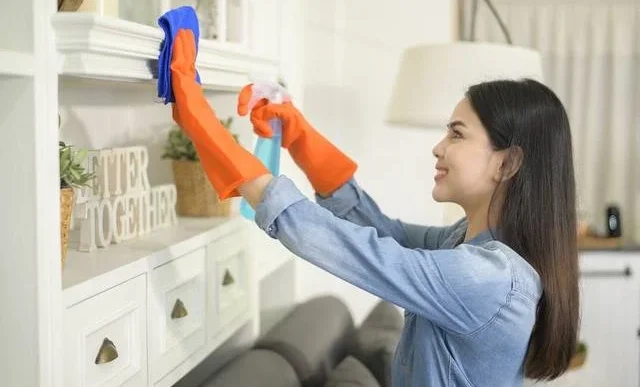
Dust Properly: When dusting, use damp microfiber cloths rather than dry dusting, which sends particles airborne. Wipe surfaces with the cloth slightly dampened with water or a mild cleaning solution.
Clean from Top to Bottom: Always dust ceiling fans, shelves, and high surfaces first, allowing any particles to settle before cleaning lower areas.
Use Air Purifying Plants: While not a complete solution, certain plants like spider plants, snake plants, and Boston ferns naturally filter air and can modestly reduce dust levels.
Manage Indoor Dust Sources
Remember, 20% of household dust originates indoors. Minimize these sources:
Pet Management: If you have pets, groom them regularly outside your home to reduce shedding indoors. Wash pet bedding weekly in hot water. Consider restricting pets from bedrooms to create dust-free sleeping zones.
Fabric Reduction: Dust settles on fabrics more readily than hard surfaces. Where practical, replace heavy curtains with roller shades or washable roller blinds. Wash curtains monthly.
Declutter: Fewer items mean fewer dust-collecting surfaces. Minimize decorative objects, books, and knick-knacks that accumulate dust.
Bedroom Sanctuary: Your bedroom deserves special attention since you spend roughly a third of your life there. Use allergen-proof mattress and pillow covers, wash bedding in hot water weekly, and maintain a dust-free zone by keeping the door closed and limiting items in the room.
Ventilate Properly
This might seem counterintuitive, but proper ventilation is crucial. Poor ventilation allows dust to accumulate; however, uncontrolled ventilation allows outdoor dust to enter.
“The key is controlled ventilation,” explains air quality consultant Linda Thompson. “You want to exchange stale indoor air with fresh outdoor air, but through filtered pathways. This is why energy recovery ventilators (ERVs) are becoming popular—they exchange indoor and outdoor air while filtering particles.”
If you open windows, do so during low-pollen times (late afternoon, after rain) and keep windows closed during high-pollen periods. Use fans to create air circulation rather than relying on open windows.
Seasonal Considerations
Dust entry varies seasonally. Spring and summer bring higher pollen counts, while winter’s dry conditions increase dust circulation.
Spring: Increase filter changes to every 2-3 weeks. Check and repair weatherstripping before the season begins.
Summer: Keep air conditioning running to filter incoming air. Be mindful of open windows and doors.
Fall: Rake leaves away from your home’s foundation to prevent debris from entering. Check weatherstripping before heating season.
Winter: Use humidifiers to prevent dry air from carrying dust more easily. Ensure your heating system is properly sealed.
The Investment Perspective
While some dust-reduction measures require upfront investment, consider the long-term benefits. Reducing dust means:
– Less frequent cleaning (saving time and money)
– Improved air quality and respiratory health
– Extended lifespan of HVAC equipment
– Better sleep quality
– Reduced allergen exposure
You don’t need to implement everything at once. Start with the most impactful changes: sealing entry points, changing HVAC filters regularly, and improving cleaning practices. These three steps alone can reduce dust by 50-70%.
Your Takeaway
Minimizing dust entry into your house is achievable through a combination of preventive measures and smart maintenance.
As Dr. Patricia Richardson concludes, “Dust control isn’t about achieving perfection—it’s about creating systems that naturally resist dust accumulation.
Once you establish these habits and make these improvements, maintaining a dust-free home becomes effortless.”