You’re jotting down notes, reach into your pocket for your phone, and suddenly—bam—your favorite white shirt looks like a modern art piece.
Or maybe your pen exploded in the laundry basket (RIP to that load of clothes). Ink stains are the ultimate wardrobe villain, but here’s the good news: most ink stains are completely beatable if you know what you’re doing.
I’ve dug into the research and talked to the pros so you don’t have to. Let’s break down exactly how to save your clothes—and your sanity.
First Things First: Don’t Panic (But Don’t Wait Either)
Ink spreads like wildfire on fabric. The moment you notice a stain, your instinct might be to grab it and rub it out. Stop.
Rubbing is basically helping the ink throw a party across your entire garment. Instead, blot gently with a clean cloth or paper towel to soak up any excess ink sitting on the surface.
Pro tip: “Blot the stain gently with a clean cloth or paper towel to absorb as much ink as possible.” 
Think of it like this: you’re trying to lift the ink out, not push it in deeper.
Know the Ink Stain: Not All Ink Is Created Equal
Before you start pouring random liquids on your shirt, you need to figure out what kind of ink you’re dealing with. Different inks need different treatments:
| Ink Type | What It Is | How to Spot It |
| 1. Gel pen | Water-based with pigments | Smooth, vibrant colors |
| 2. Fountain pen | Water-based dye | Elegant, often bleeds easily |
| 3. Ballpoint pen | Oil-based ink | The classic blue or black pen in your drawer |
| 4. Permanent marker | Alcohol-based | Sharpies, Expo markers—basically, the scary stuff |
Pro tip: “Different types of ink require different removal methods. Ballpoint pen ink is oil-based, while gel pen ink is water-based. Permanent marker ink is alcohol-based and the most difficult to remove.”
What You Actually Need
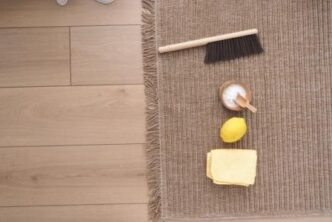
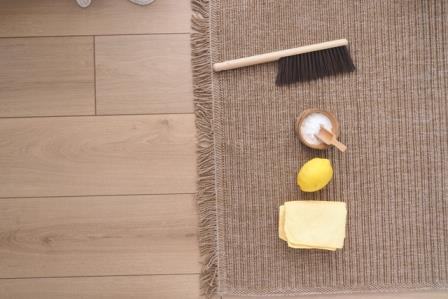
Good news: you probably already own everything you need to fight ink stains. No special trips to the store required.
Your stain-fighting supplies:
– Rubbing alcohol (isopropyl alcohol) — the MVP for most ink stains
– Hand sanitizer — great in a pinch (it contains alcohol)
– Hairspray — the old-school trick that actually works
– Dish soap — cuts through oil-based ballpoint ink
– Baking soda — for making a gentle scrubbing paste
– White vinegar — your backup plan
– Cotton balls or clean white cloths — for blotting
– Paper towels — to protect surfaces
Step-by-Step: How to Remove Ink Stains
Ballpoint Ink Stains
Ballpoint ink is oil-based, so you need something that breaks down oil. Rubbing alcohol is your best friend here.
Here’s what to do:
1. Place a paper towel or clean cloth underneath the stain. This catches the ink as it lifts out so it doesn’t bleed through to the other side of the fabric.
2. Apply rubbing alcohol to a cotton ball or clean cloth. Don’t drench the fabric—just get the applicator damp.
3. Blot the stain from the outside in. Why outside in? Because if the ink spreads, you want it spreading away from the center, not creating a bigger mess.
4. Keep blotting with fresh cotton balls. You’ll see the ink transferring onto the cotton. That’s the good stuff happening.
5. Rinse with cold water once the stain lightens significantly.
6. Pre-treat with liquid laundry detergent and toss it in the wash on your regular cycle.
7. Air dry and check. If there’s still a ghost of the stain, repeat the process. Do not put it in the dryer until the stain is 100% gone—heat will lock that ink in forever.
Bob Vila’s team confirms: “Rubbing alcohol is one of the most effective methods for removing ink stains from clothes… Apply rubbing alcohol to a clean cloth or cotton ball and blot the stain. The alcohol will break down the ink, making it easier to remove.”
For Gel Pen Ink
Gel ink is water-based, which actually makes it a bit easier to handle than ballpoint.
1. Rinse the stain under cold running water from the back of the fabric. This pushes the ink out rather than deeper in.
2. Apply liquid laundry detergent directly to the stain.
3. Gently rub the fabric together or use a soft toothbrush to work the detergent in.
4. Let it sit for 5-10 minutes.
5. Wash in warm water (check your care label first).
6. Air dry and inspect.
—
For Permanent Marker (The Big Guns)
Okay, so you went full Sharpie on your jeans. Deep breath. It’s not always hopeless.
1. Try rubbing alcohol first — sometimes it works on permanent marker too, especially if you catch it fresh.
2. If alcohol doesn’t cut it, grab the hand sanitizer. The high alcohol content can break down the marker pigments.
3. Still there? Mix a paste of baking soda and water, apply it to the stain, and let it sit for 15 minutes. The mild abrasiveness can help lift stubborn pigment.
4. For white or colorfast fabrics only: You can try a diluted bleach solution or an oxygen-based stain remover. Always test on a hidden area first.
Pro tip: “Permanent marker ink is alcohol-based and the most difficult to remove. If the stain persists after trying the above methods, you may need to consult a professional cleaner.”
The “Oops, I Already Washed and Dried It” Situation
So you didn’t notice the ink stain until you pulled the shirt out of the dryer. The heat has set the stain. Now what?
Don’t throw in the towel just yet. Try this:
1. Soak the garment in a solution of oxygen bleach and warm water for several hours (or overnight, if you can).
2. Apply rubbing alcohol to the stain and let it sit for 10-15 minutes before washing again.
3. Repeat the process. Set-in stains often need multiple treatments.
Is it guaranteed? No. But it’s absolutely worth a shot before you relegate that shirt to the “around the house” pile.
What NOT to Do (Learn From My Mistakes)
Let me save you some heartache:
❌ Don’t rub the stain. I know I said this already, but it bears repeating. Rubbing = bigger stain.
❌ Don’t use hot water initially. Heat can set the stain before you’ve had a chance to remove it.
❌ Don’t put it in the dryer until the stain is gone. I cannot stress this enough. Once heat hits that ink, it’s basically tattooed into your fabric.
❌ Don’t mix cleaning chemicals randomly. Stick to one method at a time. Bleach + ammonia = toxic gas. Not the kind of excitement you want in your laundry room.
When to Call a Pro
Look, sometimes you’ve got to know when to tag in the professionals. Take your ink-stained item to a dry cleaner if:
– The fabric is silk, wool, cashmere, or any delicate material
– The garment is labeled “Dry Clean Only”
– It’s a valuable or sentimental piece
– You’ve tried everything and the stain is still laughing at you
Grove Collaborative’s experts advise: “If the stain is particularly stubborn or the garment is delicate, it’s best to take it to a professional cleaner. They have specialized solvents and techniques that can remove even the most difficult stains.”
Professional cleaners have industrial-strength solvents and years of experience. Sometimes, paying the 10-20 is the smartest move to save a 100 shirt.
Prevention: Because An Ounce of It Is Worth a Pound of Rubbing Alcohol
Let’s be real—the best stain treatment is not getting the stain in the first place. A few habits to adopt:
– Cap your pens. Revolutionary, I know. But how many times has an uncapped pen ruined a pocket?
– Keep pens in a case or separate pocket. Don’t let them jangle around loose with your keys and phone.
– Check pockets before laundry. Every. Single. Time. A pen in the washing machine doesn’t just stain one shirt—it stains everything in that load. Ask me how I know.
– Use stain-resistant fabrics when possible. Some modern fabrics are treated to repel stains. Worth considering for workwear.
Sources: Grove Collaborative, Bob Vila, Tide, Good Housekeeping, and The Spruce.